

How to Rent Party Equipment Without the Stress
A great party can look effortless to guests, but the host knows how many details sit behind a comfortable, beautiful celebration. Learning how to rent party equipment starts with one simple idea: rent for the experience you want people to have, not just the items you think you need. A moonwalk keeps kids active, tables give families a place to gather, and the right linens or décor can make an ordinary backyard feel ready for a milestone celebration.
Whether you are planning a child’s birthday, wedding reception, graduation, baby shower, family reunion, or community event, rentals save you from buying, storing, hauling, and setting up supplies you may only use once. The key is to plan around your guests, your venue, and your event schedule early enough that your preferred items are available.
How to Rent Party Equipment for Your Event
Start by writing down the basics of your event: the date, location, guest count, event hours, and the type of celebration. These details shape nearly every rental decision. A 30-person backyard birthday needs a different setup than a 150-guest reception in an open field.
Think through the guest experience from arrival to departure. Will people need shade, seating, cooling, a serving area, or a place for gifts and desserts? Are children attending? Will the party continue after sunset? This approach helps you avoid ordering random pieces that do not work together.
It also helps to separate your needs into two groups: must-haves and nice-to-haves. For an outdoor summer event, tents, tables, chairs, and cooling equipment may be essential. Charger plates, artificial trees, throne furniture, and specialty linens may be the pieces that bring your theme or photo area to life. Both matter, but knowing the difference makes it easier to prioritize if availability or budget changes.
Match the equipment to your guest count
Guest count is the foundation of a practical rental order. Count invited guests, then consider who is likely to attend. For a seated meal, plan enough tables and chairs for everyone expected to eat at the same time. If your event has open seating, a cocktail-style layout, or guests coming and going, you may need fewer chairs but more standing and serving space.
Do not forget the people working the event. Caterers, photographers, DJs, family members serving food, and vendors may need access to tables, shade, or a staging area too. A small extra table near food, gifts, beverages, or a dessert display can prevent clutter from taking over your guest tables.
For children’s parties, the entertainment should match the age group and available space. A moonwalk can be the center of the fun, but it needs a safe, level setup area and room around it for entry, supervision, and movement. Ask the rental provider about placement requirements before you decide where everything will go.
Choose the Right Rentals for the Venue
A venue can make an item perfect or impractical. Before reserving equipment, measure the usable area and look for possible obstacles such as slopes, tree branches, gates, utility lines, pools, narrow walkways, or soft ground. Take a few photos of the space if you are unsure. They can help the rental team understand what will fit and how delivery may work.
Outdoor events often need weather planning even when the forecast looks good. A tent can provide shade from strong sun and cover from a brief shower, but tent selection depends on the size of the guest area, the surface underneath, and the local setup conditions. If the event is on concrete, grass, gravel, or a patio, let the provider know early. Setup options may differ by surface.
Indoor venues bring a different set of questions. Confirm access doors, elevator availability, loading rules, delivery windows, and whether the venue has limits on bounce houses, tents, candles, décor attachments, or electrical equipment. Some venues require proof of insurance or have designated vendor procedures. It is much easier to handle those requirements before delivery day.
If power is needed for a moonwalk, cooling unit, lighting, or sound equipment, identify where outlets are located and whether they can handle the equipment safely. Avoid assuming an extension cord across the yard will solve every issue. The safest choice depends on the equipment, distance, and venue layout.
Build a Setup That Feels Put Together
Renting party equipment is not only about filling a space. It is about creating clear areas where guests can eat, relax, celebrate, and take photos. Begin with the largest pieces, usually tents, tables, seating, and entertainment. Then add the smaller details that support your layout.
Place dining tables where guests can sit comfortably without blocking food service, entrances, or children’s play areas. Keep beverage and dessert stations easy to reach but away from high-traffic doorways. If you are using a throne, artificial trees, specialty linens, or charger plates, consider creating one intentional focal point rather than scattering decorative items across the entire event.
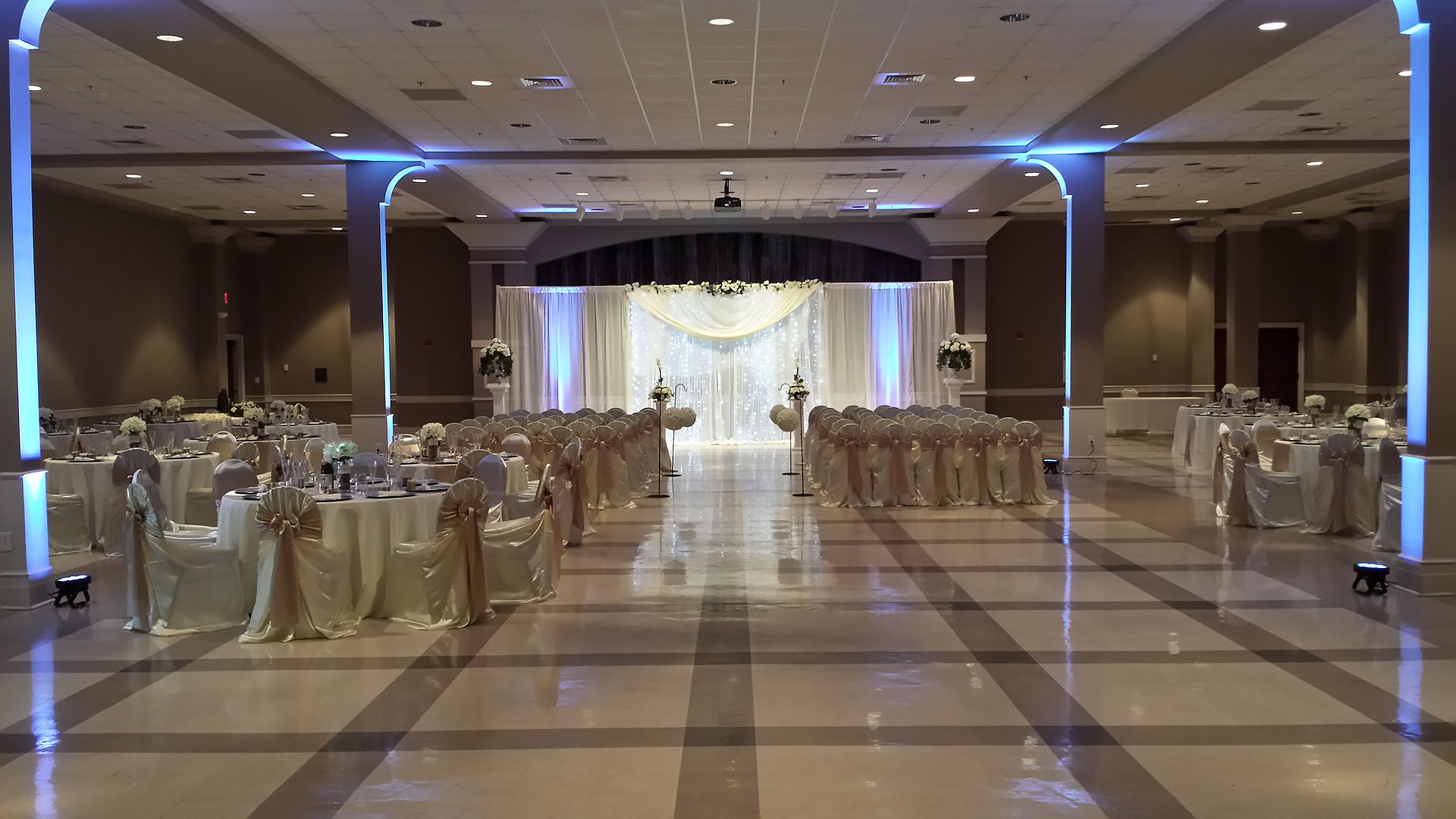
For weddings, quinceañeras, milestone birthdays, and formal family celebrations, the visual details often carry as much meaning as the practical equipment. A simple table can become part of the décor with the right linen and place setting. A dessert cart can turn sweets into a display. A throne can give the guest of honor a photo-ready seat that feels special without requiring a full custom build.
The best layouts balance style with movement. Guests should not have to squeeze between chairs to reach the buffet or walk through a children’s activity zone to use the restroom. If the venue is tight, choose fewer, larger statement pieces and leave room for people.
Ask These Questions Before You Reserve
A good rental conversation should cover more than the item name and price. Confirm the rental period, delivery timing, pickup timing, setup services, and any customer responsibilities before placing the order. If your event begins at 2 p.m., you do not want to discover that access to the venue is only available after guests arrive.
Ask about item dimensions, color options, condition expectations, cleaning, and setup requirements. For tents and inflatables, ask what surface and clearance are required. For tables and chairs, confirm quantities and styles. For linens, ask which size fits your tables and how long the drop will be. Small details like this help prevent a beautiful item from becoming the wrong fit.
You should also understand the cancellation, weather, damage, and payment policies. Every rental company has its own terms, and policies may vary by item or event type. Reading the agreement is not the glamorous part of party planning, but it protects your schedule and helps you know what to expect if plans change.
At Pachanga Party Rentals, customers can coordinate practical essentials like moonwalks, tents, tables, chairs, and cooling equipment alongside polished decorative pieces such as linens, charger plates, dessert carts, artificial trees, and thrones. Using one rental source for several categories can make it easier to keep your order, delivery plan, and event look organized.
Plan Delivery, Setup, and Pickup Early
Delivery day goes more smoothly when someone is available to answer questions and show the team where items should go. Clear the setup path of vehicles, toys, lawn equipment, and other obstacles. If your event is at a home, let neighbors know if delivery trucks may need driveway or street access.
Have your final layout in mind, but stay flexible. Weather, ground conditions, and the actual size of the space may call for small adjustments. It is better to shift a table or move a photo area before the party begins than to rearrange everything once guests are seated.
After the event, remove personal belongings, food, candles, and décor that do not belong to the rental inventory. Follow any instructions about folding linens, stacking chairs, or keeping equipment dry. You do not need to turn cleanup into another party project, but returning items in the expected condition helps pickup stay quick and easy.
A rental order works best when it supports the way you want to celebrate. Start with comfort and function, add the pieces that create your style, and leave enough time to confirm the details. Then, when the guests arrive, you can focus less on what is missing and more on the people and moments worth celebrating.


Comments