

What Size Tent for 100 Guests? Plan It Right
A tent can make 100 guests feel like they are attending a polished celebration, or it can make them feel squeezed between chair backs and buffet lines. If you are asking what size tent for 100, the best answer depends on what those 100 people will do under the tent. A seated dinner needs far more room than a standing cocktail party, and a dance floor, buffet, gift table, bar, or DJ setup can change the plan quickly.
For most events with 100 guests, a 30-by-50-foot tent or 40-by-40-foot tent is a strong starting point for seated dining. Both provide about 1,500 to 1,600 square feet. If you want room for dinner, food service, dancing, and a little breathing room, moving up to a 40-by-50-foot tent is usually the more comfortable choice.
What Size Tent for 100 Guests? Start With Your Layout
A guest count alone does not determine tent size. Think about the experience you want guests to have. Will everyone sit down for a meal? Are you serving a buffet? Will children be moving between tables and a moonwalk? Is this a wedding reception where guests need room for a dance floor, cake table, and head table?
For a simple seated event, plan on roughly 12 to 15 square feet per guest. That means 100 seated guests need approximately 1,200 to 1,500 square feet before you add large extras. A 30-by-50-foot tent gives you 1,500 square feet, which can work well for tables and chairs with a thoughtful layout.
For a more open cocktail-style party, you may only need 8 to 10 square feet per guest. A 20-by-50-foot tent or 30-by-40-foot tent may be enough for 100 people who will mostly stand, mingle, and visit. However, cocktail events still need places for food, drinks, and guests who want to sit down, so do not size the tent too tightly just because not every guest has a chair.
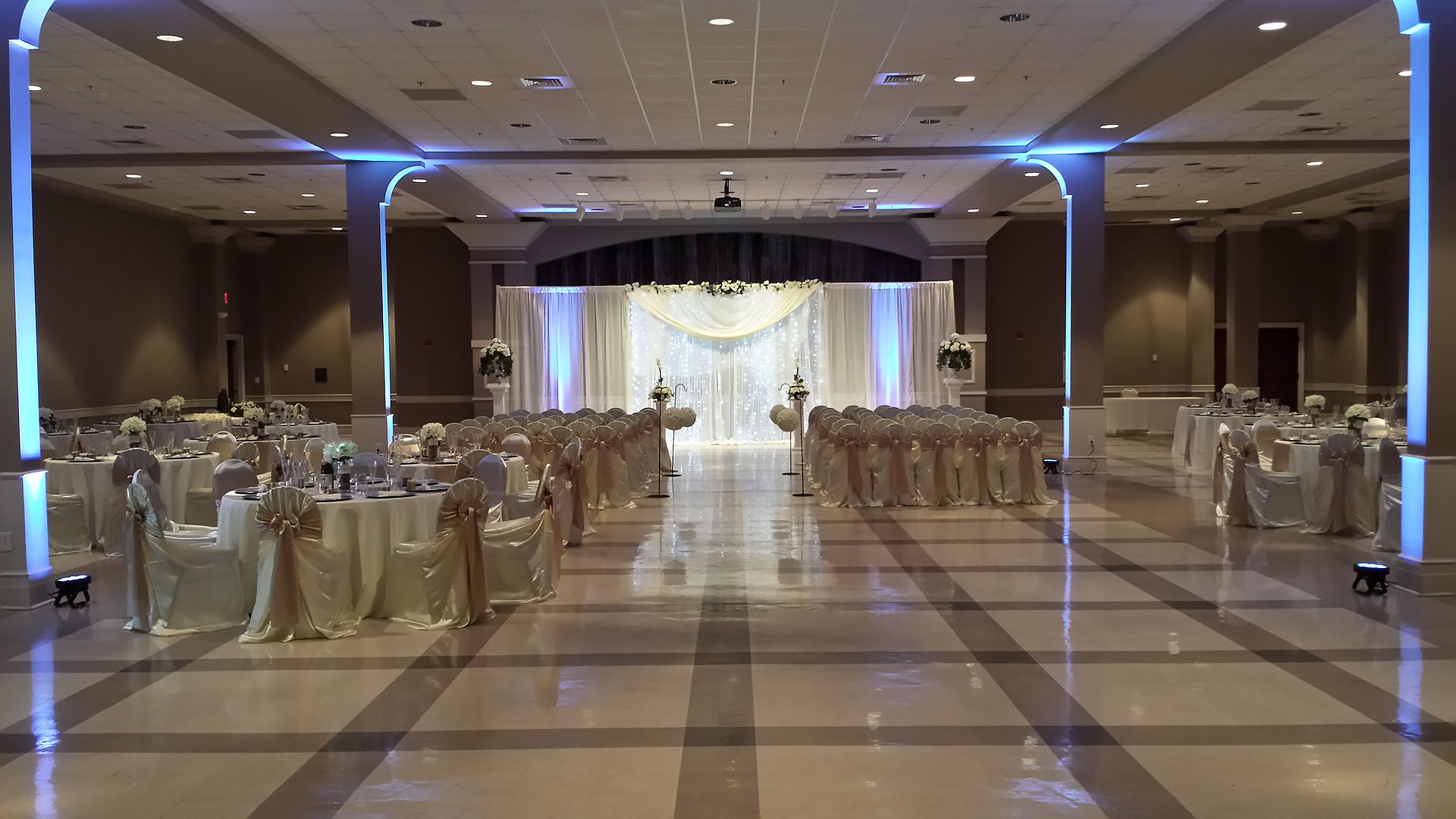
A ceremony with rows of chairs can fit within a smaller footprint, often around 800 to 1,000 square feet for 100 guests. But the aisle, ceremony backdrop, floral pieces, and space for the wedding party matter. A tent that technically holds the chairs may not leave enough room for a graceful entrance or comfortable photography.
Common Tent Sizes for 100-Person Events
The right size should fit both your guest count and your party plan. These common options can help you picture the difference:
20-by-50-foot tent, 1,000 square feet: Best for a standing reception, ceremony seating, or a casual gathering with limited tables.
30-by-40-foot tent, 1,200 square feet: A practical option for seated guests when food service and entertainment are outside the tent.
30-by-50-foot tent, 1,500 square feet: A popular choice for 100 guests seated at tables, especially for birthdays, graduations, and family celebrations.
40-by-40-foot tent, 1,600 square feet: Offers a squarer layout that can work nicely with round tables and central walkways.
40-by-50-foot tent, 2,000 square feet: A more relaxed setup for dinner, buffet service, dancing, a bar, or decorative focal points.
There is no prize for choosing the smallest tent that fits. Guests remember having room to move, easy access to food, and a table that does not feel crowded. If your budget and yard allow it, extra tent space creates a better event flow.
Add Space for What Happens Beyond Seating
Tables and chairs are only part of the footprint. A 100-guest party can feel crowded when every available inch is used for seating and no one plans for the activity around it.
A buffet table needs room for the table itself plus a line where guests can serve themselves without blocking seated guests. A bar needs space for guests to order and step aside. A gift table, cake display, dessert cart, DJ table, and beverage station all need their own area. If you are hosting a reception, a dance floor is not an afterthought. It is a major space requirement.
A typical dance floor for 100 guests does not need to accommodate all 100 people at once, but it should comfortably hold the group likely to dance at the same time. Depending on your crowd and event style, reserving 300 to 500 square feet for dancing is reasonable. Once you add that to a seated dinner setup, a 40-by-50-foot tent starts to make much more sense.
For children’s parties, consider separating active entertainment from the eating area. A moonwalk, game station, or kids’ activity table can create excitement, but it should not interrupt the path to food or the restroom. Keeping the tent focused on seating, shade, and refreshments helps parents relax and gives the party a cleaner look.
Choose Tables Before You Finalize the Tent
The shape and size of your tables affect how many people can sit comfortably. Round tables create a classic party or reception feel and make conversation easy, but they use more floor space than long rectangular tables. Banquet tables can seat more people efficiently and may work well for a casual family event, graduation party, or community gathering.
Also consider chair spacing. Seating 10 people at a table that feels best for eight may technically increase capacity, but it can make dining uncomfortable. Guests need enough room to pull out chairs and walk behind other guests. A well-planned layout includes aisles, not just tables placed edge to edge.
If the event includes a head table, sweetheart table, throne chairs, or a photo area with artificial trees and elevated decor, give those pieces dedicated space. Stylish details deserve room to be seen. They should not be pressed against a tent wall or placed where guests must squeeze past them.
Think About Weather From Every Direction
A tent roof provides shade and protection from light rain, but the sides of the tent matter, too. Sidewalls can help block wind, keep rain from blowing into the seating area, and create a more finished look for an evening event. Clear sidewalls allow light in while helping protect guests from changing weather.
On a warm day, airflow is essential. Open sides, fans, and cooling equipment can make a major difference, especially when 100 guests are eating, dancing, and celebrating under one canopy. For an evening event, lighting should be planned early so pathways, buffet tables, and seating areas remain easy to navigate after sunset.
Do not forget the ground beneath the tent. Grass, concrete, gravel, and uneven yards each affect setup. A level surface is safest for tables and chairs. If rain is possible, avoid placing the tent in a low spot where water collects. The best tent size will not solve a poor location.
Measure More Than the Tent Footprint
A 40-by-50-foot tent needs a 40-by-50-foot clear area, but the actual setup zone is often larger. Tent legs, anchoring, sidewalls, entrance space, and working room around the perimeter all need consideration. Trees, fences, roof lines, overhead power lines, sprinklers, and underground utilities can affect where the tent can safely go.
Before reserving equipment, measure your available space and note any obstacles. Think through how delivery equipment will access the yard or venue. It is also smart to identify where guests will park, where food will be prepared, and how people will reach restrooms without walking through the busiest part of the party.
Some venues and neighborhoods have rules about tent placement, permits, occupancy, or staking. Ask early rather than finding out during the final week of planning that your preferred setup is not allowed. For larger events, local fire and safety requirements may also affect the layout.
A Comfortable Plan Beats a Tight Fit
For a seated celebration with 100 guests, start by considering a 30-by-50-foot or 40-by-40-foot tent. For a reception with a buffet, dance floor, bar, or special decor, plan closer to a 40-by-50-foot tent. If your event is mostly standing and mingling, a smaller tent may work, but leave enough seating for older guests, parents, and anyone who needs a break from the action.
Pachanga Party Rentals can help bring the pieces together, from tents and chairs to linens, cooling equipment, dessert displays, and decor that makes the celebration feel complete. The goal is not simply to cover 100 people. It is to give them a comfortable place to eat, laugh, dance, and stay awhile.


Comments