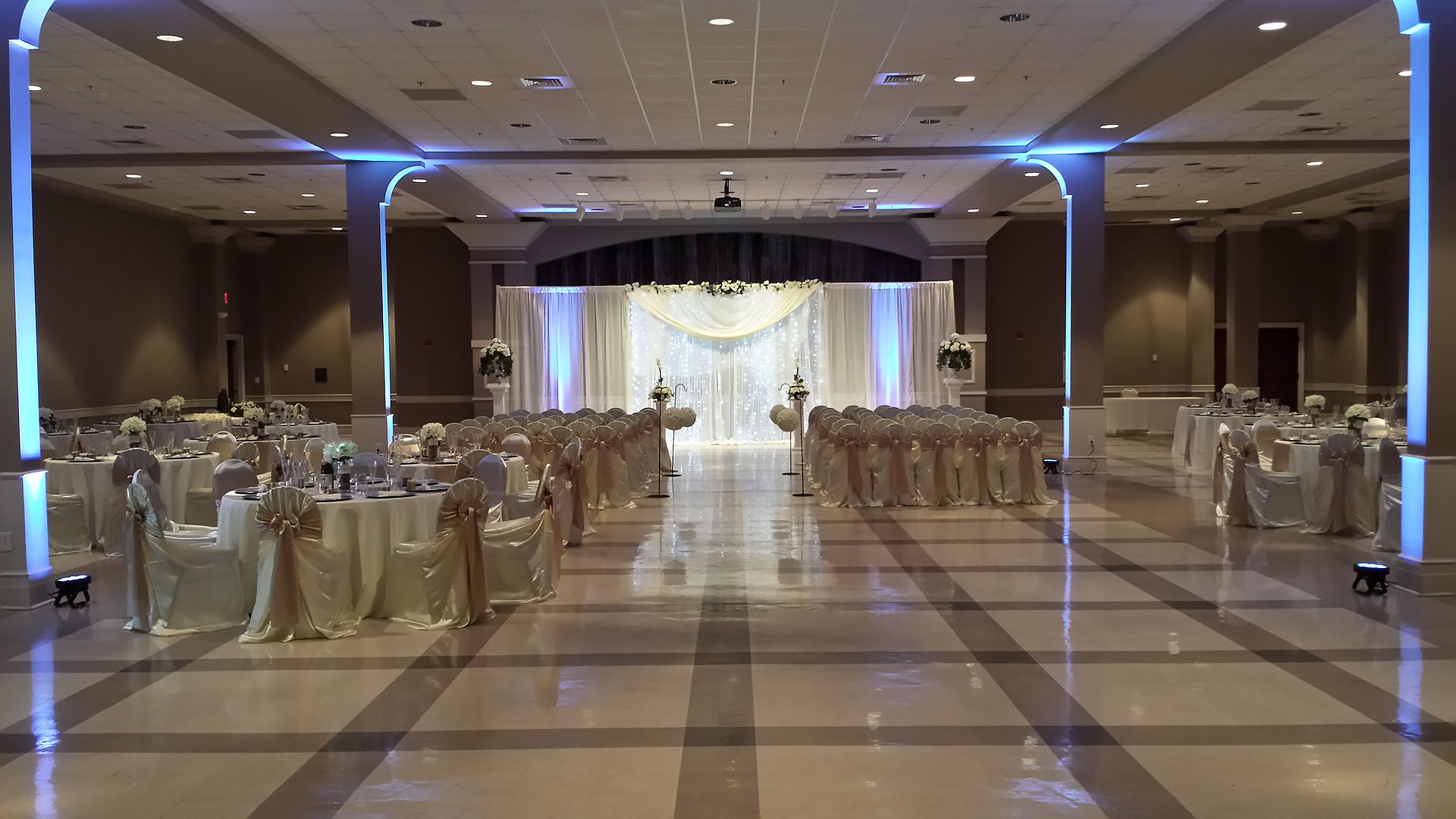


How to Set Formal Tables for Any Celebration
A formal table does not need to feel stiff or complicated. It should make guests feel welcomed, comfortable, and ready to enjoy a special meal. When you know how to set formal tables, you can create a polished look for a wedding reception, anniversary dinner, quinceañera, holiday gathering, or elegant family celebration without guessing where every piece belongs.
The best formal tables balance tradition with the needs of your event. A multi-course plated dinner calls for more place settings than a buffet or family-style meal. Start with the service you are actually hosting, then build a beautiful setting around it.
How to Set Formal Tables Step by Step
Begin with the table itself. Make sure every table is level, clean, and large enough to give guests breathing room. For a seated meal, allow roughly 24 inches of table edge per guest. Crowding chairs too closely can make even the prettiest table uncomfortable once dinner begins.
Cover the table with a clean linen that fits the occasion. Floor-length linens create a more formal reception look, while a crisp tablecloth with a runner can work well for an intimate dinner. Choose colors that support the celebration rather than competing with the flowers, cake table, or room décor. Neutral linens with gold, silver, black, or colored accents are dependable choices for many formal events.
Once your linen is smooth and centered, build each place setting from the middle outward. Keep every setting aligned so the table looks organized from all angles.
Start With the Charger and Dinner Plate
Place a charger plate in the center of each guest's space, about one inch from the edge of the table. A charger is the larger decorative plate that stays on the table during the first courses. It immediately adds color, texture, and a finished look to a formal setting.
Set the dinner plate on top of the charger. If you are serving soup or salad first, the appropriate bowl or salad plate goes on top of the dinner plate. The charger generally remains in place until the main course plate is cleared, but service details can vary by caterer.
For a more elevated look, coordinate the charger with your flatware and centerpiece details. Gold chargers pair beautifully with warm florals, candlelight, and ivory linens. Silver or clear chargers can feel classic and flexible, especially when the room already has plenty of color.
Place Flatware in Order of Use
Formal flatware is easier than it looks: guests use utensils from the outside in. Place forks to the left of the plate and knives and spoons to the right.
The dinner fork sits closest to the plate. If salad is served before dinner, place the salad fork to the left of the dinner fork. On the right side, put the dinner knife closest to the plate with its blade facing inward. Place the soup spoon to the right of the knife if soup is on the menu.
If your meal includes fish, appetizer courses, or specialty utensils, add only what guests truly need. A table can look formal without placing every possible piece of silverware at each seat. Extra utensils can clutter the setting and confuse guests, especially at a relaxed family celebration.
Dessert utensils are usually placed horizontally above the dinner plate. Position the dessert spoon with its handle to the right and the dessert fork with its handle to the left. Another option is for the catering team to bring dessert utensils with the dessert course, which keeps the initial place setting cleaner.
Add Glassware Above the Knives
Glassware belongs above and slightly to the right of the dinner plate. Start with the water glass, placed directly above the dinner knife. Wine glasses sit to the right of the water glass, usually in the order they will be used.
For a formal meal with both red and white wine, place the white wine glass slightly lower and farther right, with the red wine glass above it. If champagne is being served for a toast, add a flute behind the wine glasses. Do not overcrowd the table with glassware if the event has a simple beverage plan. Water and one wine glass are often all you need.
Finish With the Napkin and Bread Plate
A folded cloth napkin adds softness and color to the table. You can place it centered on the dinner plate, inside a napkin ring, or to the left of the forks if the plate design deserves to be seen. Choose a fold that looks neat and stays in place. Very elaborate folds can take extra setup time and may not match a modern event style.
If bread will be served, put the bread plate above the forks on the upper left side of the setting. The butter knife rests diagonally across the bread plate, with the blade facing inward. This small detail makes a full formal table feel complete.
Set the Table for Your Service Style
Etiquette provides a useful guide, but your service style should lead the final setup. For a plated dinner, setting each course piece in advance can make the room feel especially polished. For a buffet, guests may only need chargers, dinner plates, flatware, water glasses, and napkins at the table. They can pick up food at the buffet without navigating a crowded place setting.
Family-style meals need extra table space for serving platters and bowls. In this case, use lower centerpieces and fewer decorative pieces so guests can comfortably reach the food. A formal look is still possible, but function matters. Guests should be able to pass a dish without moving candles, flowers, or glassware.
For a children’s celebration with a formal meal area, keep the design special but practical. Skip fragile glassware, use sturdy chairs sized appropriately for young guests, and save tall candles for adult-only tables. A beautiful event setup should also be safe and easy to enjoy.
Create a Centerpiece That Does Not Get in the Way
Centerpieces bring the table together, but they should not block conversation. Keep arrangements low enough for guests to see across the table, or choose tall designs with narrow bases and clear space beneath the flowers. Artificial trees, statement vases, and elevated arrangements can create a dramatic reception look when they are placed around the room rather than in the middle of every dining table.
Candlelight can make a formal table feel warm and celebratory. Use enclosed votives or hurricane-style holders, and confirm venue rules before planning open flames. For daytime events, greenery, floral arrangements, fruit, or decorative lanterns can provide color without making the table feel heavy.
Leave room for salt and pepper, table numbers, and any menu cards or place cards. If guests have assigned seats, place cards should be easy to read and positioned where they will not be knocked over during service.
Choose Rentals That Make Setup Easier
A formal table is made of many small pieces, and coordinating them individually can become a lot to manage. Renting tables, chairs, linens, charger plates, and decorative accents from one event partner helps keep the colors, quantities, and delivery schedule organized.
Before placing an order, confirm your guest count, table size, seating layout, menu, and venue restrictions. Then add a small cushion for last-minute guests, replacement glassware, or an extra table. Pachanga Party Rentals can help hosts bring together practical event essentials and stylish details, from guest seating and linens to charger plates and décor pieces.
Common Formal Table Setup Mistakes
The most common mistake is trying to make every table look impressive at the expense of comfort. Too many plates, tall centerpieces, oversized décor, or tight seating can make guests feel boxed in. Formal does not mean crowded.
Another issue is mixing items without checking the overall scale. Large chargers on narrow tables can leave little room for glassware. Tall chair backs may compete with low tables or delicate centerpieces. Set one complete sample table before event day, then step back and look at it from a guest’s perspective.
Finally, do not forget the practical path of service. Caterers need room to move between tables, guests need clear access to their seats, and centerpieces need to stay stable throughout the event. A thoughtful floor plan supports the formal look just as much as beautiful tableware does.
A well-set formal table tells guests that the occasion matters, while still giving them space to relax, eat, and celebrate together. Choose the details that fit your menu, venue, and guest list, then let the table become part of the celebration rather than another thing to worry about.


Comments